What the ‘Lessting’ Decluttering Method Is & How to Use It In Your Home
Inside: Discover the ‘lessting’ decluttering method and how you can use it to effectively simplify your home and life.
In a world filled with excess, decluttering has become a necessity for those of us who are seeking a more peaceful and intentional life.
However, traditional decluttering methods often focus on the act of removing things from our space without addressing the deeper reasons behind why we accumulate so much in the first place.
If you’ve ever felt overwhelmed by your belongings or feel like you’re constantly decluttering without making meaningful, lasting progress, it may be time for a new approach – like “lessting”.
Unlike many strategies to address clutter, lessting isn’t a standardized step-by-step model to follow to clear stuff out of your home.
Instead, it’s a revolutionary mindset shift that focuses more on memories and experiences than physical things, helping you reevaluate your relationship and emotional attachment to your possessions.
Sure – getting rid of things is certainly part of the process. But it’s really about taking a step back and learning how to find fulfillment through non-material aspects of life, like meaningful experiences, relationships, and personal growth.
Whether you’re looking to simplify your home, embrace a more minimal lifestyle, or just regain control over your space, lessting provides a framework that helps you make peace with your belongings and prioritize what truly matters.
What is the ‘lessting’ decluttering method?
The term “lessting” is essentially the opposite of “nesting.” When we’re nesting, we’re often filling our homes with things to make them feel cozy and comfortable – often in preparation for a big shift, like the arrival of a newborn.
Lessting represents a different kind of shift – a change of perspective that encourages you to detach from excessive material possessions and instead focus on building a life centered around experiences, memories, and intentional living.
While traditional decluttering techniques aim to tidy up physical spaces, lessting prompts you to dig deeper by examining the emotional and psychological ties we have to our belongings.
At its core, lessting asks a simple but powerful decluttering question: Are my possessions enhancing my life, or are they weighing me down?
Rather than approaching decluttering as a one-time task or a repetitive cycle, lessting promotes a long-term mindset shift.
It challenges you to assess not only what you own but also why you own it, helping you let go of items that no longer serve a meaningful purpose while preventing future accumulation of unnecessary clutter.

Who can benefit from the ‘lessting’ decluttering method?
Lessting is for anyone who wants to live a simpler life with less physical stuff. It can be particularly beneficial for older people who feel burdened by a lifetime of accumulated possessions, many of which are tied to feelings of nostalgia.
However, virtually anyone can embrace this method to reduce clutter and live more intentionally.
Older individuals often struggle with years, if not decades, of accumulated belongings that evoke memories and sentimental attachment.
Downsizing or parting with these items can feel like erasing history, but lessting provides a way to shift the focus from objects to the experiences and relationships they represent.
By detaching from the need to keep everything, they can create a lighter, more peaceful living space while still honoring their past.
Additionally, young professionals and families can also benefit by cultivating a lifestyle based on experiences rather than material possessions.
Parents, in particular, can use this approach to instill in their children the value of memories over things, reducing clutter in the home and emphasizing shared activities and moments over buying more toys, books, and stuff.
Ultimately, anyone who feels overwhelmed by a constant influx of new possessions, digital clutter, or unnecessary shopping habits can use lessting to regain control over their environment and mental well-being.

How can you apply the ‘lessting’ decluttering method in your life?
Lessting isn’t just about letting go. It’s about shifting your entire mindset around what truly brings value and meaning to your life.
Rather than focusing solely on what to remove and how quickly you can clear it out, this method encourages thoughtful consideration around what to keep and why.
Here are some ways you can leverage the concept of lessting to declutter your space and shift your priorities away from physical things:
1. Reevaluate your emotional attachment to your possessions.
Take a step back and ask yourself why you find it hard to part with your physical belongings. Is it because they genuinely add value to your life? Or is it because of guilt, nostalgia, or a fear of letting go?
Instead of clinging to things for the sake of sentimentality, think about how you can preserve the memories those items invoke without keeping the physical items.
Photographs, videos, or journaling can be great ways to capture those feelings without taking up so much space.

2. Slowly and methodically evaluate what you own.
Rather than attempting to declutter your entire home in a day, take a slow and intentional approach. Set aside time to go through different areas of your home, assessing each item with fresh eyes.
Ask yourself whether it serves a purpose, adds joy, or holds genuine value in your life. And give yourself time and grace to process the feelings that may arise when decluttering those sentimental, emotionally-charged possessions.
By working through your belongings methodically, you can make more mindful and lasting decisions about what to keep and what to release.
3. Prioritize experiences over physical stuff.
There are so many ways to evoke joy, comfort, and happiness without relying on the accumulation of more stuff. Instead of buying souvenirs, take more photos.
Instead of filling your home with decor, fill your time with meaningful activities. This shift in focus naturally leads to less clutter while increasing fulfillment.
And when you’re giving gifts to family members or friends, experiences are a wonderful option for creating lifetime memories rather than more stuff they don’t need.
4. Redefine your concept of “home.”
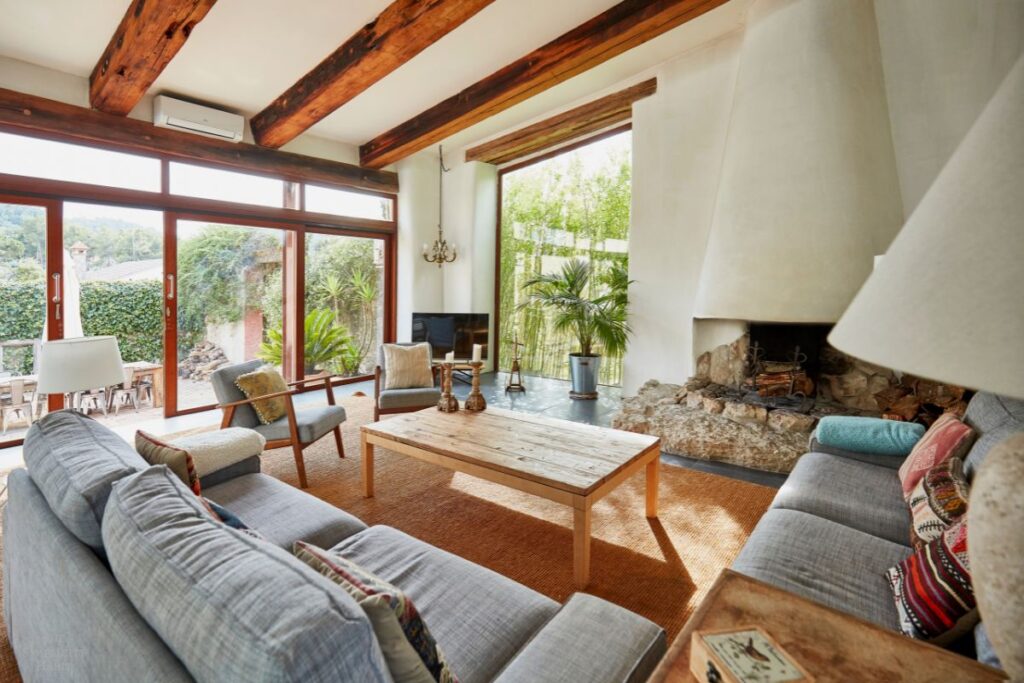
Instead of viewing your home as a place to store things, start seeing it as a space for comfort and connection.
Arrange your home in a way that supports your lifestyle, not your belongings. Create open spaces that allow you to breathe, think, and enjoy life more fully.
Your home should be your sanctuary – a safe place for you and your family to relax and form bonds and memories together.
5. Release yourself from the burden of unused items.
Many of us hold onto items out of obligation, even when they no longer serve us.
Whether it’s gifts from loved ones, inherited belongings, or expensive purchases we regret, these items can weigh us down emotionally without adding any value to our lives.
Lessting encourages us to free ourselves from this burden by donating, repurposing, or passing items along to someone who will truly appreciate them.

What do you think about the ‘lessting’ decluttering method? Leave a comment and let me know!
Sign up on the form below to get weekly decluttering tips sent straight to your inbox. You’ll also get the free Your Home Decluttered Jumpstart which includes 100 easy items to declutter and 12 high-impact areas to declutter in 10 minutes.
Because I was 11 when my father died. the things I have ARE my memories. Without the things, I would have very few memories. Those few would mostly consist of hospital, illness and his death. I’ll keep my stuff, thank you.
Simply reading the article grounded me in a more spacious sense for Living in my Space, fully alive here and now rather than gradually fenced in by things whose value came from the past, the people and stories associated with them… and without losing their true value, what they mean for who I am and what is precious Now……Thank you.
I have been re-evaluating my home for about 9 months. I started learning about simplifying life in Sept 2025. It has been a wonderful journey where I have learned less can definitely be more. It’s the chapter of my life I am in now. Previously I wanted everything displayed, used and present daily. Honoring my husband’s military service by proudly displaying all his awards, memorabilia etc. Also honoring my now adult children’s growth, lives & accomplishments, displaying numerous photographs throughout my home and walls. That time was wonderful but now I am enjoying these things packed away. Saved and not forgotten, but not fully present in my daily life requiring my time and attention for maintenance. This has allowed me the visual, physical and emotional space to breathe, and focus on other things I am interested in. Sewing. Woodworking. Moving. My husband and I are loving this new journey we’ve begun where we can put our time, energy and resources into other areas we want to explore in our lives. Definitely ’lessting’ our materialism with on our home and shifting to new hobbies and skills.
Thanks for these thoughts concerning an area I have struggled with…keeping things because of the special memory, loving connection, or just plain like it…or may miss it. Detaching from the real thing does have a feeling of separation. In the last few months, I have been evaluating lots of areas that make up my life….home decor, closets, photos, kitchen, sentimental boxes holding items from years past! And, I have been donating books DVD’s, CD, Videos to our library, some educational books to middle and elementary schools….and donation trucks! I do take pics of things I truly valued…then let the item go. Decluttering is generally not difficult for me….except when it comes to parting with those “old special items” telling me “remember when” which brings on the emotion!