
12 Popular Things Minimalists Don’t Buy in the Spring
Inside: Discover twelve popular things minimalists don’t buy in the spring so they can enjoy a simpler home and life.
There’s something about spring that invites a fresh start.
The days feel lighter. The air shifts. Sunlight begins to stream through the windows again, gently revealing the corners of our homes we may have overlooked during the winter months.
Naturally, many of us feel the urge to refresh our spaces.
And often, that urge leads us to the store.
New décor. New clothes. New organizing solutions. New seasonal items that promise to make everything feel fresh and put together again.
But minimalists tend to approach this season a little differently.
Instead of asking, “What should I buy to refresh my home?” they often pause and consider, “What can I simplify, use, or let go of instead?”
Because a true refresh doesn’t always come from adding more. It often comes from needing less.
If you’ve ever found yourself bringing home things in the spring that you didn’t really need, only to feel the clutter return later, you’re not alone. A small shift in perspective can make all the difference.
Here are 12 popular things minimalists often choose not to buy in the spring, and the gentle mindset shifts that guide those decisions.

10 Popular Things Minimalists Don’t Buy in the Spring
There are typical things minimalists don’t buy or own so that they can keep their spaces simple.
Here are ten popular things minimalists don’t buy in the spring. Avoiding these items helps to keep your space clutter-free.
1. Excess Seasonal Décor
Spring décor can be beautiful and inviting.
Soft colors, floral accents, and cheerful details can brighten a space. But minimalists are mindful about how much they bring in for a season that will eventually pass.
Instead of filling bins with decorations that need to be stored later, they keep things by displaying a vase of fresh flowers, opening the windows, and letting natural light in.
The goal isn’t to decorate more. It’s to create a fresh feeling with less.

2. Trendy Clothing That Doesn’t Fit Their Lifestyle
New seasons often bring new fashion trends.
But minimalists tend to look beyond what’s popular and focus on what’s practical for their everyday lives.
Before buying a new piece of clothing, they might ask:
- Will I actually wear this regularly?
- Does it work with what I already own?
- Do I feel comfortable and like myself in it?
This helps prevent closets from filling with items that never get worn.
3. Organizing Bins
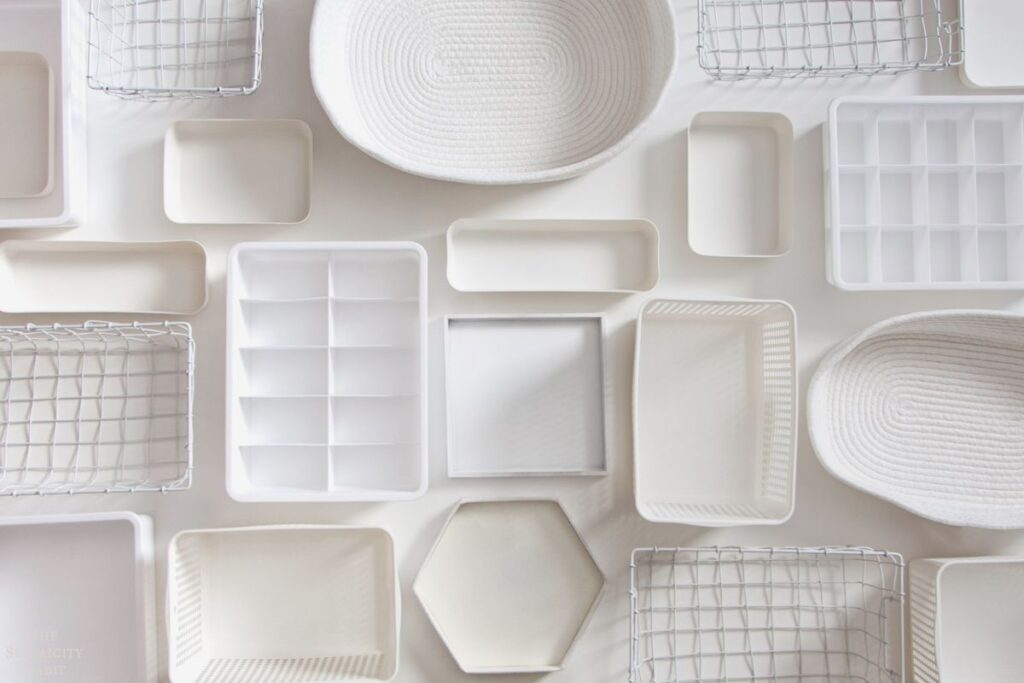
It’s easy to believe that getting organized starts with buying containers. But minimalists know that organization works best after decluttering, not before.
Instead of rushing out to buy bins and baskets, they take time to reduce what they own first. They know that focusing on decluttering more makes organizing easier later.
Often, once the excess is gone, the need for additional storage often disappears, too.
4. Duplicate Household Items
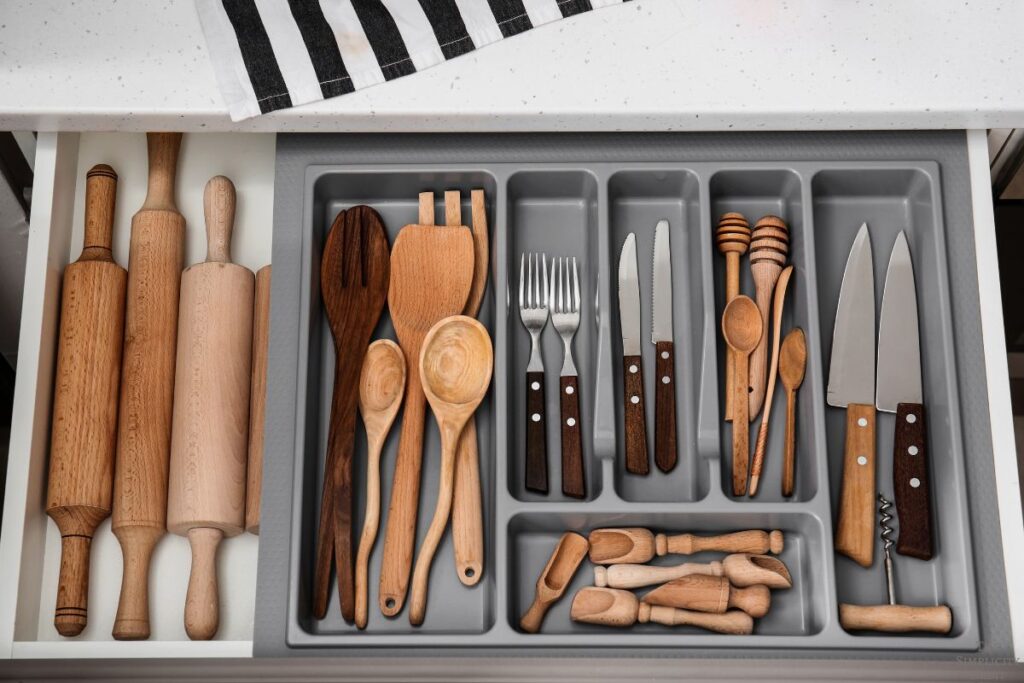
Spring cleaning sometimes reveals gaps—but it can also lead to unnecessary duplicates.
Some common duplicates include extra kitchen tools, excessive office supplies, and keeping backups of items you’ve replaced.
To shop like a minimalist, pause before purchasing and take inventory of what you already have.
Using what you already own is one of the simplest ways to keep your home from becoming cluttered again.

5. Outdoor Gear for an “Ideal” Version of Life
Spring inspires us to imagine new routines. For some of us, those might include hosting gatherings, gardening regularly, and camping most weekends.
And while those intentions are good, minimalists are careful not to buy for a lifestyle they haven’t fully stepped into yet.
Instead, they start small. They use what they already have or wait to see if a new habit sticks before investing in more.
This keeps their homes from filling with items tied to good intentions rather than real habits.
6. Bulk Purchases They Don’t Need
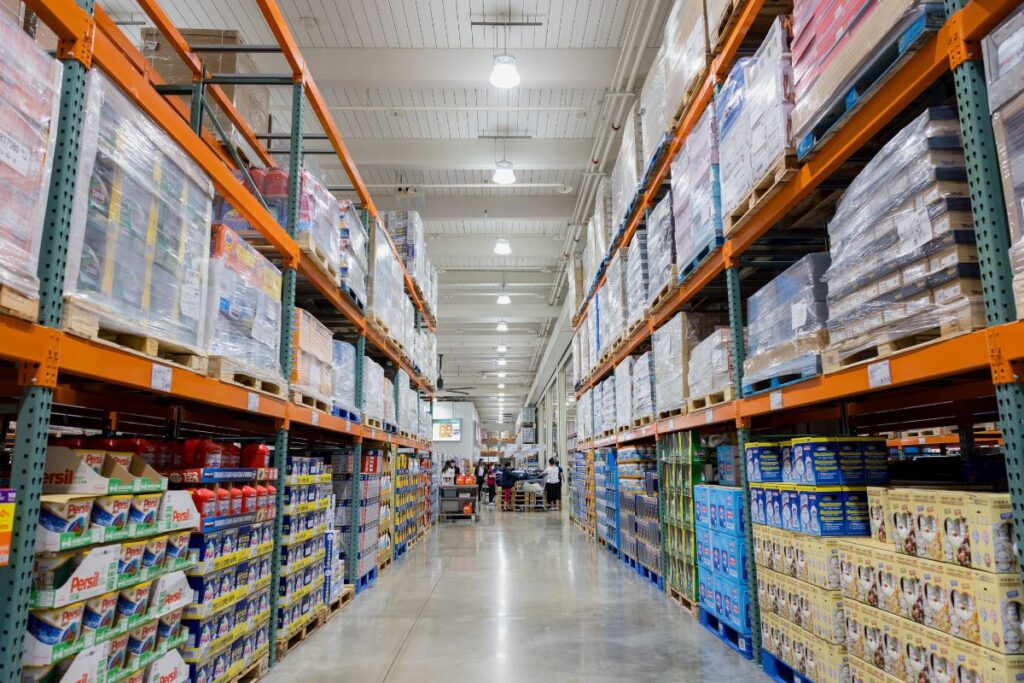
Seasonal sales can be tempting.
Stocking up on items can feel like a smart decision, but minimalists are thoughtful about what they bring in, even at a discount.
They consider:
- Do I have space for this?
- Will I use it before it expires or becomes unnecessary?
Buying more than you need can quickly create clutter, even if it seems practical at the time.
7. Hobby Supplies for New Interests
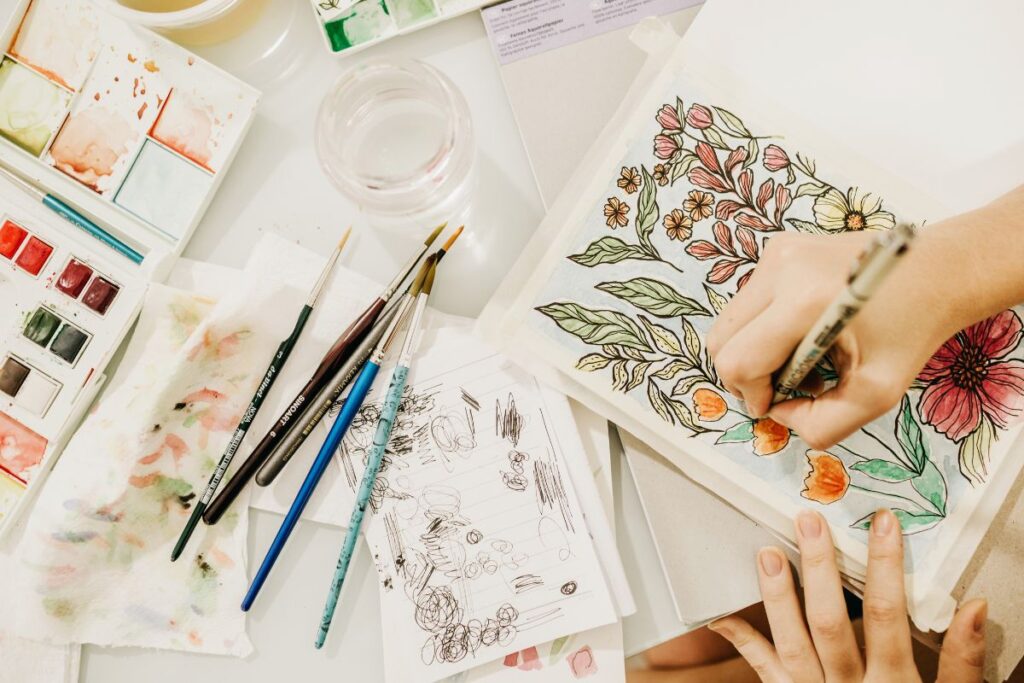
Spring often brings a desire to try something new, like a new creative hobby or outdoor activity.
And while minimalists embrace these hobbies and interests, they approach them with intention.
Instead of buying everything up front, they test the interest first. They start with the basics or borrow what they need.
If the hobby becomes part of their life, they can add to it over time.
8. “Just in Case” Items
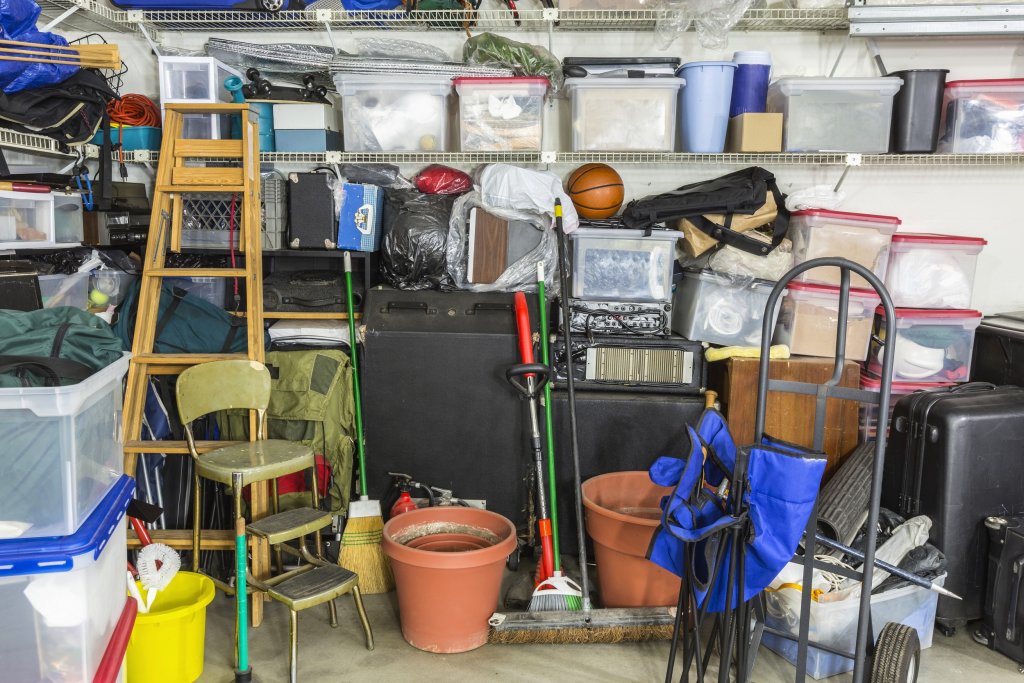
One of the biggest sources of clutter is holding onto—or buying—things “just in case.” Some common ‘someday’ items are clothes that haven’t fit in years, items you plan to repair or upcycle, and things you don’t use but keep for unlikely situations.
Minimalists learn to trust that they can handle things when they arise, rather than preparing for every possible scenario.
Letting go of this scarcity mindset allows you to declutter and often brings a sense of freedom and space.
9. Multiple Cleaning Products
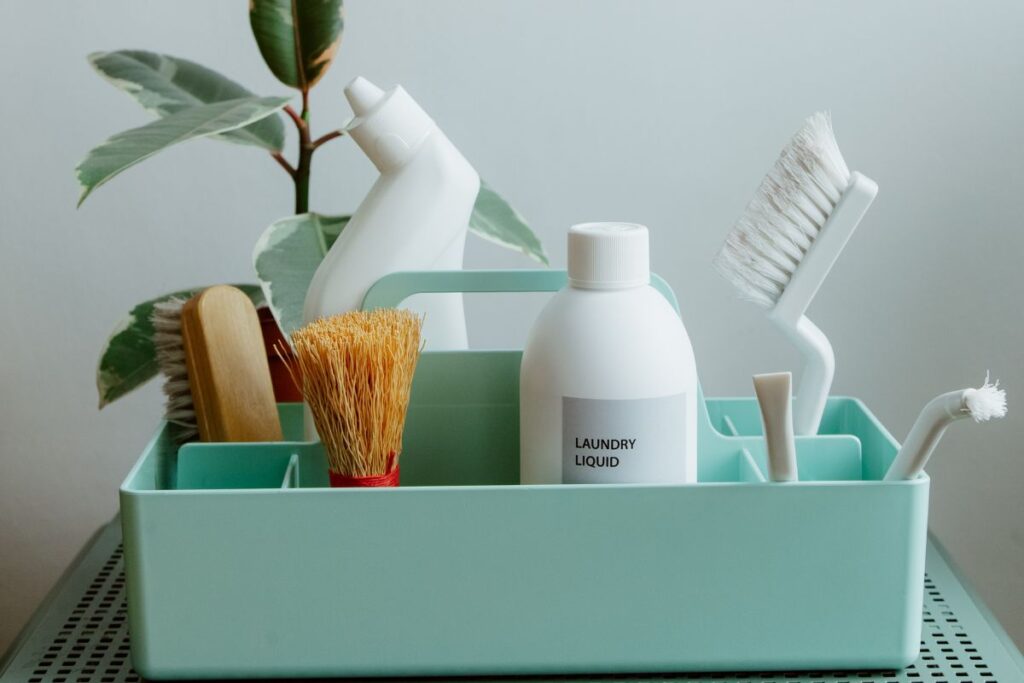
Spring cleaning can lead to buying a variety of specialized products. But minimalists often simplify their cleaning routines.
They choose a few reliable, multi-purpose products and keep the essentials on hand instead of filling cabinets with options.
This makes cleaning easier and reduces clutter at the same time.

10. Decorative Storage Furniture
Storage furniture can be helpful, but it’s often purchased to manage extra stuff that isn’t truly needed. Some of these pieces include additional shelving, storage benches, or cabinets.
If storage is limited in your home, using a few of these pieces may be necessary, but they aren’t needed in every home.
Minimalists tend to focus on reducing what needs to be stored rather than adding more places to keep things.
When you own less, your space naturally feels more open.

11. Impulse Purchases Inspired by the Season
There’s a certain energy that comes with spring. It can make us feel motivated, inspired, and ready for change.
But that same energy can lead to impulse purchases. Minimalists make a habit of pausing before buying.
Before buying something new, they take a moment to ask:
- Do I truly need this?
- Will this add value to my daily life?
That simple pause often prevents clutter from quietly returning. Being intentional with purchases saves money and is the key to maintaining your space.
12. Things That Replace Rest and Renewal
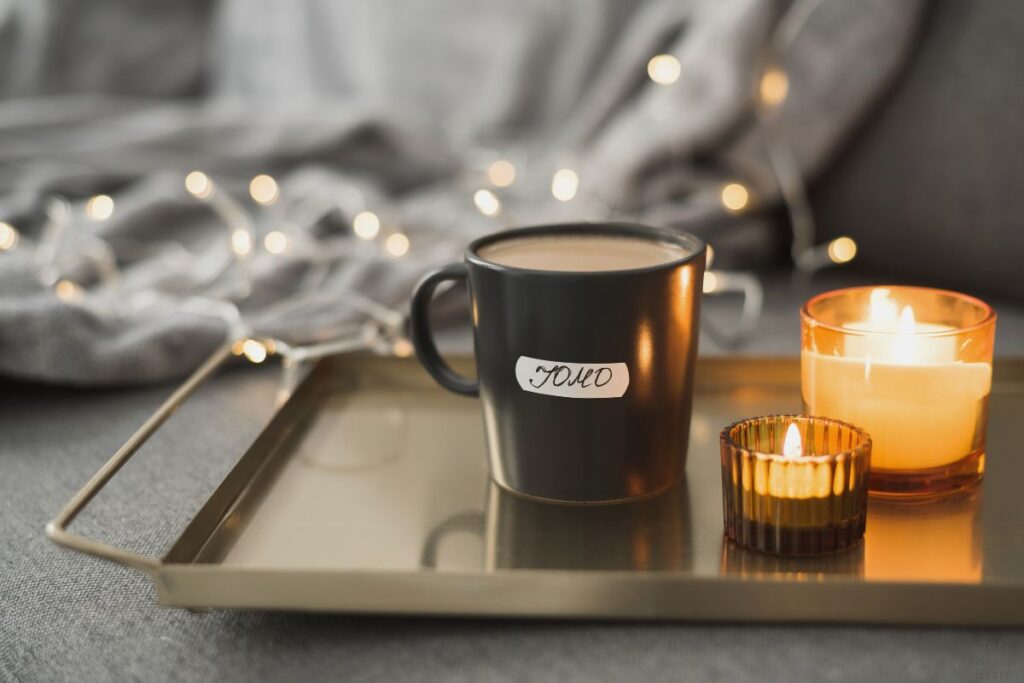
Sometimes, the desire to buy in the spring isn’t really about the item itself.
It’s about how we want to feel. In line with the season, we want to feel refreshed, renewed, motivated, and inspired.
But minimalists recognize that those feelings don’t come from things. Instead of turning to purchases, they focus on simple ways to reset:
- Spending time outside
- Creating slower routines
- Taking moments to rest and reflect
These choices often bring a deeper, more lasting sense of renewal.

A Different Kind of Spring Refresh
Minimalism isn’t about never buying anything. It’s about being thoughtful with what you bring into your home.
Spring offers a natural opportunity to pause and reset, not by adding more, but by making space for what matters most.
When you become more aware of what you don’t need to buy, something begins to shift.
Your home feels lighter. Routines feel simpler. And your decisions feel clearer.
And instead of constantly managing more, you begin enjoying what you already have.

A Gentle Reminder
If you feel the pull to refresh your home this season, you don’t need to start with a shopping trip.
You can begin right where you are. Open the windows. Then, clear a surface. Decide to let go of a few things that no longer serve you.
Because sometimes, the most meaningful changes aren’t found in what we add, but in what we choose to live without.
And in that space, you may find a kind of calm that no purchase could ever provide.
What would you add to the list of things minimalists don’t buy in the spring? Let me know in the comments section below.
Sign up on the form below to get weekly decluttering tips and inspiration sent straight to your inbox. You’ll also get the free 5 Areas to Declutter in 10 Minutes Checklist to help you get started decluttering today.

Join the List
Stay up to date & receive the latest posts in your inbox.