
How to Use the Pomodoro Technique to Make Deep Cleaning More Manageable
Inside: Discover what the Pomodoro Technique is and how you can use it to make deep cleaning your home more manageable.
A guest post by Cora Gold
Deep cleaning your home can feel overwhelming.
Mountains of clutter, dusty corners, piles of dishes, and neglected surfaces make even thinking about cleaning exhausting.
But it doesn’t have to be that way.
There is a way to approach cleaning that makes it feel less like a monumental task and more like a series of achievable steps.
The Pomodoro Technique can transform deep cleaning from a dreaded chore into a structured process.

What is the Pomodoro Technique?
Living in a cluttered space can heighten stress and anxiety, making it harder to relax because the brain interprets mess as ongoing chaos.
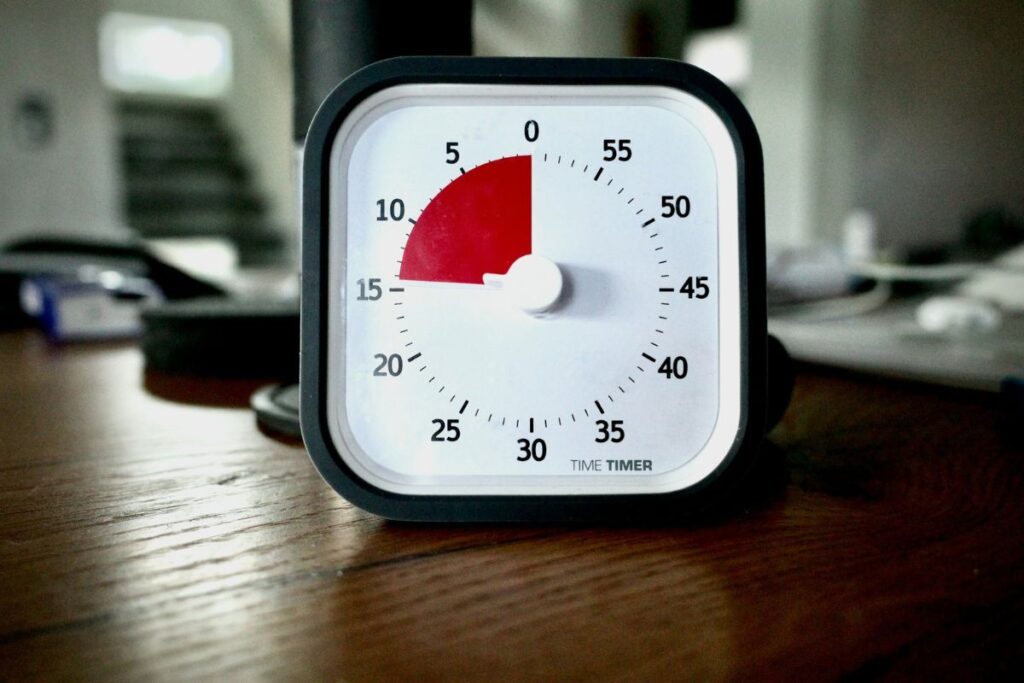
While getting started can feel impossible, the Pomodoro Technique is simple yet powerful. Use your phone or watch to set a 25-minute timer and focus on a single task with complete attention.
When the timer goes off, you take a short five-minute break. After completing four rounds, you reward yourself with a more extended break of 15 to 30 minutes.
This method goes beyond scheduling to help you manage energy and prevent burnout. It allows you to break a large, overwhelming task into short, actionable sessions.
Instead of staring at your messy home and feeling defeated, you’ll tackle it in one focused interval at a time. Here’s how to get started.

1. Plan Your Deep-Cleaning Tasks
Before you start the timer, make a detailed list of what needs attention. Break your home into sections, such as the living room, kitchen, bathrooms, bedrooms, and office.
Within each section, list specific tasks like:
- Scrubbing the shower and sink
- Wiping down kitchen cabinets
- Dusting shelves and baseboards
- Organizing drawers and closets
Prioritize high-impact or time-consuming tasks. This approach ensures that when you sit down for a Pomodoro, you know exactly what you’ll be focusing on.
By defining your tasks beforehand, you remove decision fatigue and make it easier to get started.

2. Set Your Timer and Focus
Once you’ve planned your tasks, set a timer for 25 minutes and commit to one at a time. Choose a task that’s manageable within that time frame.
For example, you might dedicate your first session to decluttering the living room coffee table or wiping down bathroom counters.
It’s essential to focus fully on that task during the session. Don’t check your phone or switch between chores.
Multitasking slows you down and increases stress. You’ll be amazed at how much you can accomplish when you permit yourself to concentrate for just 25 minutes.

3. Take Structured Breaks
When the timer goes off, take a five-minute break. Step away from cleaning completely.
Stretch, grab a drink, or sit down and breathe. These micro-breaks prevent fatigue, improve focus, and keep cleaning from feeling like a marathon.
After four Pomodoros, reward yourself with a longer break of 15 to 30 minutes. This is the perfect time for a snack, a walk, or a short episode of a show.
Structured rest is crucial because it helps your mind recharge and prevents the “I’ll never finish this” mindset that often accompanies deep cleaning.

4. Track Your Progress
One of the most satisfying aspects of using the Pomodoro Technique is seeing tangible progress. Check off tasks or mark each completed Pomodoro on a tracker.
Visual reminders of what you’ve accomplished motivate you to keep going.
Even if a single Pomodoro doesn’t completely finish a task, it still contributes to your overall progress.
By focusing on small wins, you gradually chip away at what once felt impossible. Over time, your home transforms, and cleaning stops feeling like an endless, consuming chore.

5. Adjust and Customize
This method is flexible. Some people find the standard 25 minutes perfect, while others prefer 20 or 30 minutes for cleaning sessions. Adjust the length based on your energy levels and the complexity of your tasks.
You can also pair Pomodoros with music, audiobooks, or podcasts to make the process more enjoyable. Experiment with different strategies until you find a rhythm that keeps you motivated and productive.
The key is consistency. Even short, focused bursts of cleaning can add up to significant results.

Overcoming 7 Common Challenges
Deep cleaning can come with a few predictable hurdles. The Pomodoro Technique is flexible enough to help you work through them without losing momentum or motivation.
1. Getting Distracted
Distractions are one of the biggest threats to a focused cleaning session. Avoid checking your phone, even briefly, as social media is a major distraction and can quickly turn a focused session into hours of lost time.
2. Feeling Too Tired to Keep Going
Deep cleaning is physical, and energy levels can drop quickly. If 25 minutes feels like too much, shorten your sessions to 15 or 20 minutes and gradually build up as your stamina improves.

3. Not Finishing a Task in One Session
It can be discouraging when a task takes longer than expected. Instead of viewing this as a failure, treat each Pomodoro as progress and continue the task into your next focused session.
4. Losing Motivation When Results Aren’t Immediate
Some cleaning tasks don’t show dramatic results right away, which can decrease motivation. Tracking completed Pomodoros rather than visible outcomes helps you stay encouraged and recognize the effort you’re putting in.
5. Feeling Overwhelmed by the Size of the Mess
A whole room or an entire house can feel intimidating. Narrow your focus to a single surface or zone, allowing small wins to build confidence and momentum over time.

6. Getting Interrupted by Other People or Responsibilities
Unexpected interruptions can break your focus and make it hard to get back on track. When possible, let others know you’re doing a short, timed cleaning session, or pause the timer and resume once the interruption ends so the structure stays intact.
7. Struggling to Start at All
Sometimes, the most challenging part of deep cleaning is the beginning.
Using this method lowers the mental barrier by committing you to just 25 minutes, making it easier to start without feeling trapped in an hours-long cleaning marathon.
Remember, the less mess and clutter you have, the calmer and more organized your space will feel.
Why the Pomodoro Technique Works
Deep cleaning often feels daunting because it’s a large, unstructured task. The Pomodoro Technique breaks it down into bite-sized intervals, which makes it easier to start and maintain momentum.
The combination of focused work and structured breaks prevents burnout and keeps your energy steady. Plus, the psychological satisfaction of crossing tasks off a list reinforces positive habits, making cleaning feel less like a chore and more like a series of achievements.

Cora Gold is the Editor-in-Chief of Revivalist magazine. She loves writing about family and living life to the fullest. Follow Cora on Twitter, Facebook and Pinterest.
Want more cleaning tips?
Check out these posts:
- The 10 Best Cleaning Tools That Save You Time and Energy
- How to Use the ‘6/10’ Cleaning Rule to Keep Your Home Clean
- 12 Daily Cleaning Habits to Keep Your Home Clean
Have you used the Pomodoro Technique in your home? Let us know how it went in the comments section below.
Sign up on the form below to get weekly decluttering tips and inspiration sent straight to your inbox. You’ll also get the free 5 Areas to Declutter in 10 Minutes Checklist to help you get started decluttering today.

Join the List
Stay up to date & receive the latest posts in your inbox.