
10 Healthy Coping Strategies to Use When Life Feels Stressful
Inside: Learn healthy coping strategies to use when life feels stressful. There are some things we can’t control, but others we can.
Sometimes life can feel like you’re sailing smoothly along and things are heading in the direction you want to go.
But other times, life can feel chaotic and stressful for a variety of reasons.
Whether it’s work pressures, personal or financial challenges, or the weight of everyday responsibilities, stress can creep in and overwhelm even the most resilient among us.
When life feels particularly stressful, finding healthy coping mechanisms is essential. Here are some effective strategies to help you navigate the turbulent waters and restore a sense of calm.

10 Coping Strategies to Use When Life Feels Stressful
Here are ten coping strategies to use when life feels stressful or overwhelming. Try some of these techniques to help you feel more balanced regardless of your circumstances.
1. Embrace Mindfulness
Mindfulness is the practice of being fully present in the moment without judgment. When stress hits, it can be easy to spiral into anxious thoughts about the future or regrets about the past.
Mindful habits help ground you in the present. You can start with simple breathing exercises. Take a few moments each day to focus on your breath—inhale deeply through your nose, hold it for a moment, and exhale slowly through your mouth.
Apps like Headspace or Calm can guide you through mindfulness exercises, making it easier to integrate into your routine.
Adding a daily practice of silence, meditation, and/or prayer in your life can help calm your anxious thoughts.
2. Create a Routine
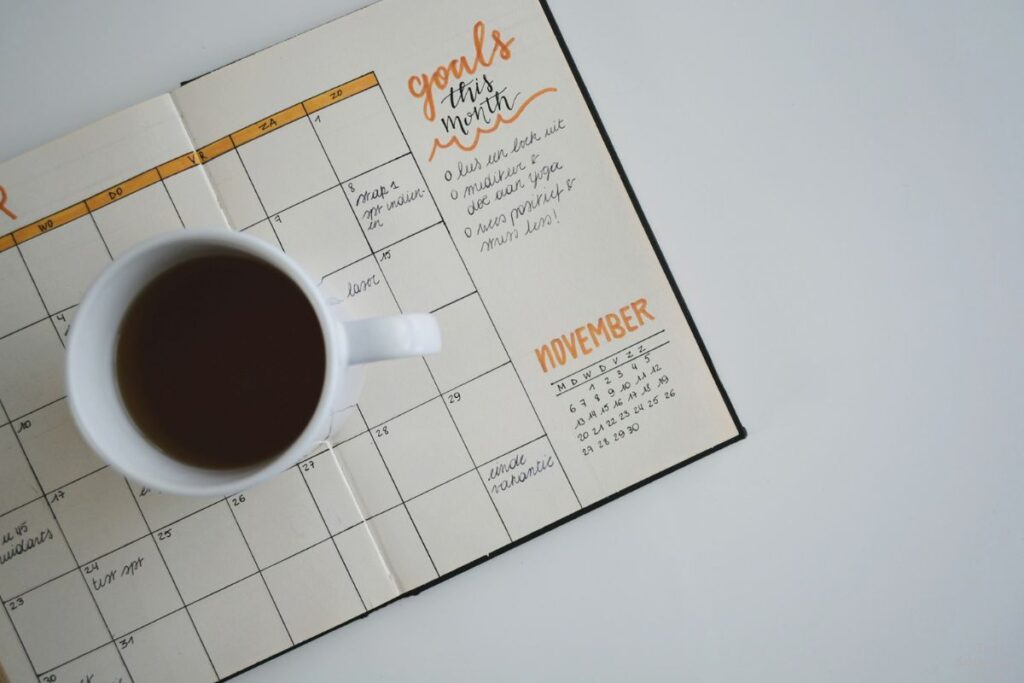
Establishing a daily routine can bring a sense of structure and stability amidst chaos.
Identify the key elements of your day—waking up, meals, work, and relaxation—and create a schedule that incorporates these activities.
Include time for self-care, such as reading, exercising, or simply enjoying a cup of tea. When life feels unpredictable, a routine can provide comfort and predictability, helping to alleviate feelings of stress.

3. Move Your Body
Physical activity is one of the most effective stress relievers. Exercise releases endorphins, the body’s natural mood elevators. It’s not only beneficial for your physical health, but for your mental health as well.
Whether it’s a brisk walk, a yoga session, or a dance class, find an activity you enjoy. Aim for at least 20 minutes a day. Exercise doesn’t have to be intense to be helpful.
Even gentle stretching or a walk around your neighborhood can do wonders for your mental state. The key is consistency and finding movement that feels good to you.

4. Connect with Nature
Spending time outdoors can be incredibly restorative. Nature has a calming effect on the mind and body, reducing feelings of stress and anxiety.
Whether you take a hike in the mountains, walk in a nearby park, or simply sit on a bench and people-watch, immersing yourself in nature can help you regain perspective and recharge your batteries.
Aim to connect with nature regularly; even a few minutes of fresh air each day can make a difference.

5. Limit Social Media Consumption
In our hyper-connected world, social media can be a double-edged sword. While it can keep us connected, it can also contribute to feelings of inadequacy and stress.
Consider setting boundaries around your use of technology. Limit scrolling time or designate a certain time of the day to check your social media. Avoid doom scrolling, especially when you’re already feeling stressed.
Instead, focus on nurturing in-person relationships. Genuine connections can provide support and comfort that online interactions often lack.

6. Practice Gratitude
Cultivating a gratitude practice can shift your focus from what’s causing stress to what brings you joy. Start a gratitude journal where you write down three things you’re thankful for each day.
They can be big or small—anything from a sunny day to a supportive friend.
This practice helps retrain your brain to notice the positives in your life, fostering resilience and a more optimistic outlook.

7. Seek Support
Sometimes, stress can feel isolating, but you don’t have to go through it alone. Reach out to friends or family members who can provide a listening ear or words of encouragement.
If your stress feels overwhelming, consider talking to a mental health professional. Therapy can offer tools and strategies tailored to your specific situation, helping you cope more effectively with stress.
You don’t have to feel alone. Let loved ones know what you’re going through and how they can help support you.

8. Engage in Creative Activities
Creativity can be a powerful tool for stress relief.
Engaging in hobbies and artistic activities—whether it’s painting, writing, knitting, or playing music—allows you to express your feelings and channel your energy in a positive direction.
Don’t worry about the outcome; focus on the process. Creating something can be a calming experience that helps you disconnect from stressors and immerse yourself in the moment.

9. Prioritize Sleep
Sleep is essential for overall well-being and plays a crucial role in managing stress. Lack of sleep can exacerbate feelings of anxiety and irritability.
Establish a calming evening routine to signal to your body that it’s time to wind down. Limit screen time before bed, keep your sleeping environment dark and cool, and aim for 7-9 hours of quality sleep each night.
Ensuring that you’re getting adequate sleep will improve your ability to cope with stress.

10. Practice Self-Compassion
During stressful times, it’s easy to be hard on yourself. Remember that everyone experiences stress and that it’s a natural part of life.
Practice self-compassion by treating yourself with kindness and understanding. Acknowledge your feelings without judgment, and remind yourself that it’s okay to seek help or take a break when needed.
Cultivating self-compassion fosters resilience and helps you navigate stress with grace.

Bonus Coping Strategy: Evaluate Your Environment
And of course, I can’t end this post without mentioning using decluttering as a strategy for coping with stress.
A cluttered environment can negatively impact your mental health and create anxiety. While there are things you can’t control in the outside world, you can make your home a haven of peace and relaxation.
If you’re not sure where to start decluttering, try some of these 15 things to get rid of for instant calm in your home. You can also sign up at the bottom of this post for a list of 5 areas you can declutter in 10 minutes.
Final thoughts on healthy coping strategies to use when life feels stressful
When life feels overwhelming, it’s essential to have a toolbox of healthy coping strategies you can use. Try the suggestions in this post and see which methods work best for you.
By integrating these strategies into your life, you can build resilience and navigate stress more easily, allowing you to savor life’s moments even amidst the chaos. Remember, it’s not about eliminating stress entirely but learning to cope with it in a way that benefits your well-being.
What are your favorite healthy coping strategies to use when life feels stressful? Share them in the comments section below.
Sign up on the form below to get weekly decluttering tips and inspiration sent straight to your inbox. You’ll also get the free 5 Areas to Declutter in 10 Minutes Checklist to help you get started decluttering today.

Join the List
Stay up to date & receive the latest posts in your inbox.