
How to Use the 5/7 Decluttering Method to Keep Flat Spaces Clear
Inside: Learn what the 5/7 decluttering method is and how you can use it to keep flat spaces clear in your home.
A guest post by Evelyn Long
A cluttered countertop can make any home feel chaotic.
The 5/7 decluttering method provides a straightforward approach to maintaining tidy, functional, and inviting surfaces.
It’s a simple system that turns cluttered counters into calm, functional spaces.
With this approach, flat surfaces remain clear, daily routines run more smoothly, and your home feels more relaxed and organized.
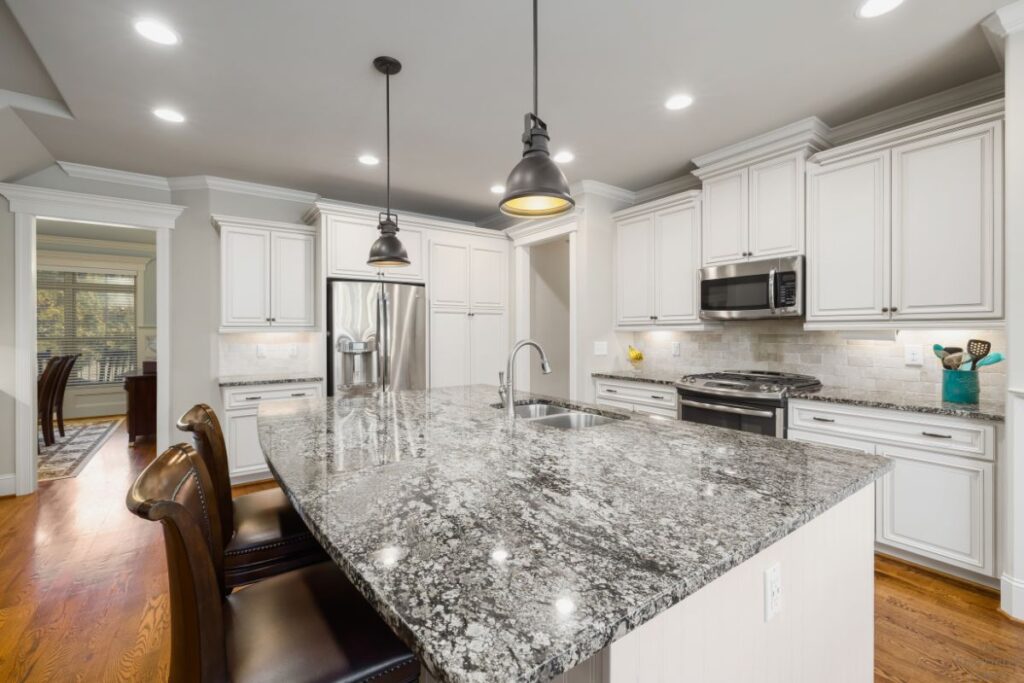
What Is the 5/7 Decluttering Method?
The 5/7 method helps you take control of your counters to maintain a tidy and functional space.
The method suggests keeping only the items you use five days a week out and storing everything else in a drawer, cabinet, or shelf.
This approach is a helpful guideline when considering which functional items you may want to keep out. However, there are many items that are used daily that you’d still want to keep stored while not in use.
The 5/7 decluttering method aims to help you identify additional items you’re leaving out that aren’t being used often enough to warrant them taking up space on your flat surfaces.
This system creates a clean, functional space and minimizes visual clutter. Minimalist spaces can look inviting while making daily life smoother and more enjoyable.
You’ll clean surfaces more easily, and your kitchen, living room, and entryway will feel lighter and more open.

How to Implement the 5/7 Decluttering Method
Clearing countertops can feel effortless when you follow a simple routine. The 5/7 method is most effective when broken down into clear, manageable steps.
1. Identify Your Flat Surface “Hot Spots”
Take a moment to look around and notice where items tend to gather. Common areas include kitchen countertops, dining and coffee tables, and entryway tables.
Consider these areas your clutter “hot spots” so you know where to focus first. Targeting these zones can have the most significant impact.
2. Use the 5/7 Decluttering Approach
Consider how often you use each item and only keep it on the counter if you use it at least five days a week. If not, store it.
That doesn’t mean that all daily-use items should be kept out, though. The goal is to keep very few items out on flat surfaces.
This approach helps keep your counters purposeful and ensures you only see what truly adds value. Over time, surfaces can naturally stay more streamlined.

3. Create a Simple, Repeatable Reset Routine
Consider setting a time each day to reset your counters. Take this time to tidy up and return items to their spots, keeping your space aligned with the 5/7 method and feeling calm, clear, and intentional.
Small, consistent habits to help reset your space and prevent clutter from returning make upkeep feel easier.
4. Involve the Whole Family
Consider making decluttering a team effort by assigning age-appropriate tasks to each member. Kids might clear their papers, wipe surfaces, or put away dishes, helping everyone see how clear flat surfaces make daily life easier and more enjoyable.
Be mindful that personal items, such as special belongings, may carry strong emotional attachments. For this, let each family member decide what they truly value to avoid pushback or stress.
5. Troubleshoot Common Obstacles
Some weeks may be busier than others, with school projects, holidays, or gatherings.
Consider adjusting your reset routine as needed during these times. Staying flexible can help the system feel simple, sustainable, and less stressful for everyone.

Areas of Your Home to Focus on
A significant 55% of Americans say that clutter increases their stress levels. The 5/7 method can help you regain a sense of control.
Focusing on a few key areas can help transform your home into a calmer, more organized, and enjoyable space.
Kitchen and Entryway
Kitchen countertops and islands are high-traffic surfaces that can easily become catch-alls for mail, toys, dishware, or gadgets.
Entryway consoles and mudroom benches can quickly become places where everyone dumps whatever’s in their pockets, collecting keys, bags, gloves, and sports gear.
Applying the 5/7 rule can help keep these areas tidy and welcoming.
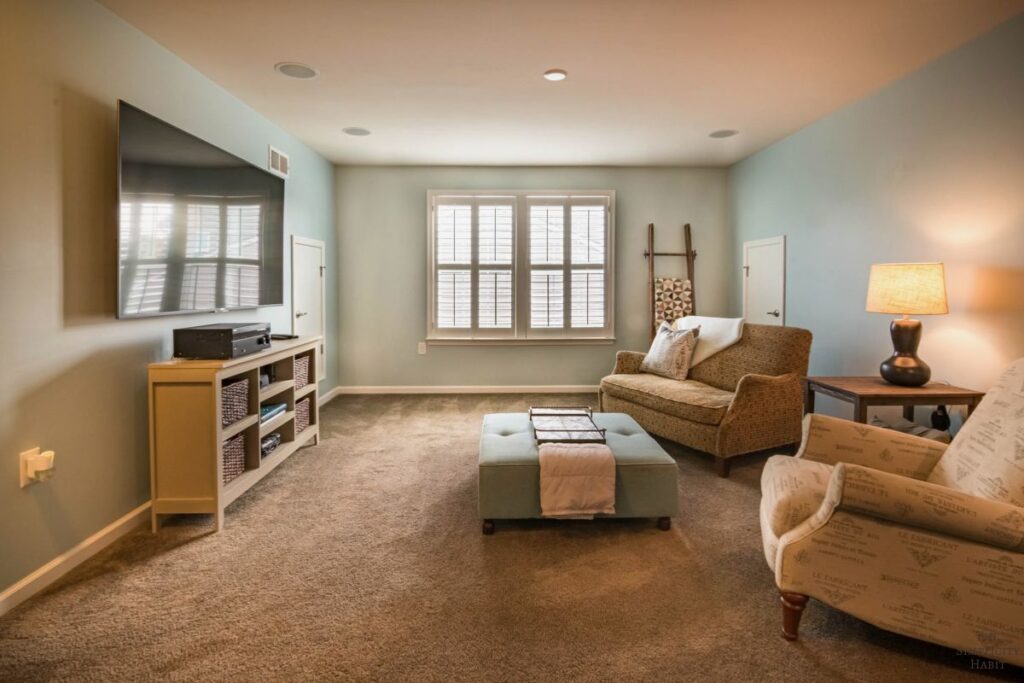
Flexible Spaces
Flexible spaces have become popular with the rise of remote work and the desire for adaptable spaces that can equally accommodate working from home, relaxing with family, and hosting friends. The 5/7 method is well-suited for these types of spaces and their open floor plans.
Using organizational strategies, such as modular furniture, keeps surfaces functional, maintains organization, and enhances flexibility as the space shifts from work to play or entertaining.
Small habits, like regularly reviewing what you use, also make it easier to shift between a space’s functions since you’re managing fewer items.

Home Offices and Playrooms
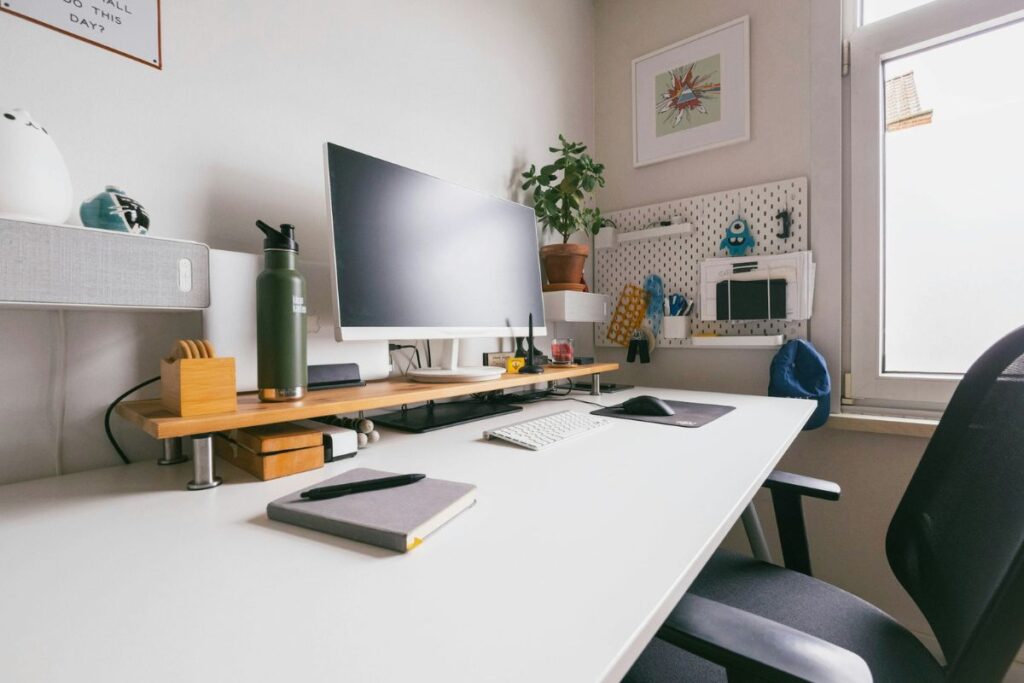
Desks, shelves, and play areas can quickly become cluttered with papers, toys, and supplies. Try limiting your desk to your daily essentials, like your laptop, notepad, and favorite pen, and watch how your focus sharpens.
Use the same method for preventing clutter in playrooms, so children can easily see the toys they play with most often. This can help encourage more imaginative and creative play.
You may notice how much calmer and more efficient the space feels.
Regularly reviewing what you use can help maintain order, reduce stress, and create a more focused environment for work, study, or play.
How to Maintain Momentum
Even in modern homes, many households face limited space and must balance possessions with maintaining functional living areas. Clutter can quickly take over kitchens, playrooms, and entryways, making intentional decluttering essential.
Updating your décor, whether by season or holiday, ensures your surfaces always look fresh and can help you feel more motivated to keep them clutter-free.
Aim to keep your counters relatively empty, allowing only a few standout pieces to shine. Changing out plants, candles, or small decorative items with the seasons can enhance the feeling of variety and pleasure.
Simplifying storage can also be beneficial. Consider placing frequently used items within easy reach and storing less frequently used items in nearby cabinets, so they remain accessible but out of sight.
Take a moment to appreciate the tranquility and practicality your counters now provide — it’s a little victory that deserves recognition. Storing items reduces stress, keeps routines efficient, and helps everyone find what they need.
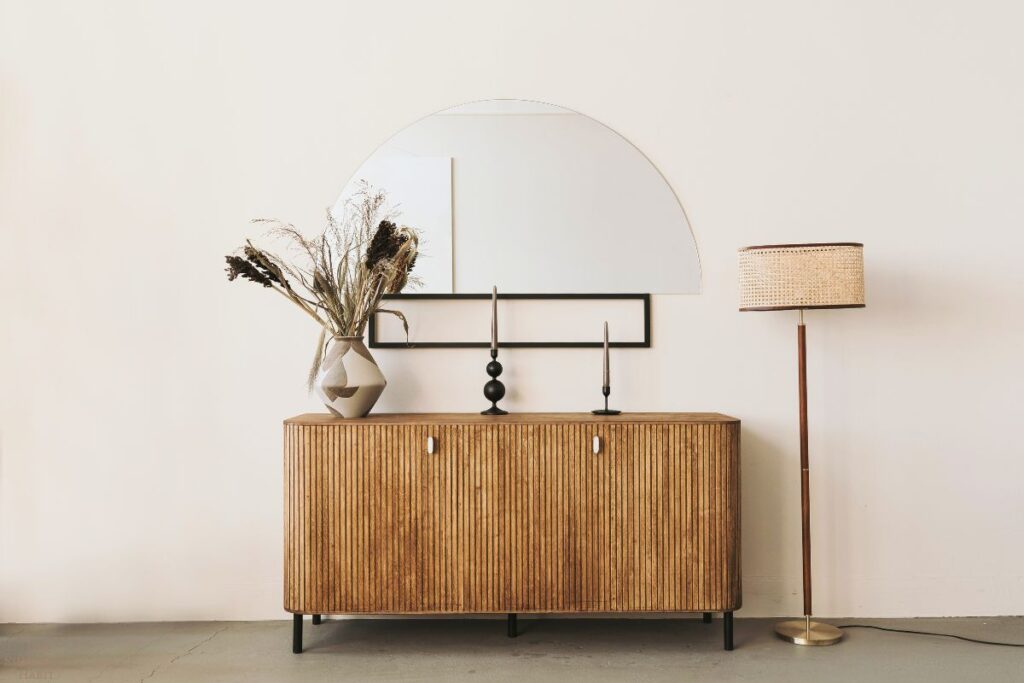
Embrace Progress Over Perfection
The 5/7 method prioritizes function, flow, and calm, helping your home feel organized and welcoming. Clear surfaces make it easier to focus, simplify daily routines, and reduce stress while making cleaning more effortless.
The system grows stronger with every small step you take. By celebrating progress and making adjustments as needed, each effort has a meaningful impact.
Over time, this approach transforms your flat surfaces into practical, serene spaces that support both efficiency and enjoyment.

Evelyn Long is a home organization writer who helps homeowners and renters maintain a neat space through innovative decluttering tips. She has written for several other publications, including the National Association of Realtors and DecorMatters. She is also the editor-in-chief of Renovated Magazine, where she shares additional tips on decluttering and home organization.
Have you tried the 5/7 Decluttering Method? Let us know how it went in the comments section below.
Sign up on the form below to get weekly decluttering tips and inspiration sent straight to your inbox. You’ll also get the free 5 Areas to Declutter in 10 Minutes Checklist to help you get started decluttering today.
One hot spot that was not mentioned is a computer table/craft table. I have a 3 feet by 6 feet table in my craft room and also I have a 3 open shelf piece of furniture that has art and craft supplies on it. There is one four drawer bureau as well mostly full of various paper, research topics, health documents and so on.
Usually my table has my calendar to the left of my computer and a variety of papers, current craft project, favorite photos of family, pens, pencils. I can easily apply my craft/office space with your decluterring advice. I have swept items off a surface into a box which sits under my craft table in a corner. The problem is if I do clear it then it just gets full again and I know it mainly takes a new mindset to tackle it. ( Yes, I see your photo above with mainly just a computer on it . I am a retired senior so have a life long habit of some paper records.
I tried it right away-sitting on my kitchen counter are 2 coffee makers, a small Keurig plus a small drip coffee maker. The Keurig is used at least once per day whereas the drip maker only once per week maybe. Moved drip maker to pantry-what a visual difference!!
How exactly does “changing out plants” work?
I am guessing she either meant moving them around to different places or removing ones that have died and replacing them with new plants.
what is the 7 in the 5/7
The idea is to only keep out items you use at least 5 out of the 7 days in a week. I hope that helps clarify.
7 days in the week
I try to do this, however, my husband yells at me when I put things away. i.e. if he leaves a pen lying on the table and I put it into the pen holder, he yells at me (you just cant stand to see anything laying around! Why do you do that?!!) As I look at my coffee table, I see an unopened bill. a bill paid 3 weeks ago, a pen, nail clippers, a screwdriver, a flashlight, two pair of glasses, a pocket knife. a newspaper, and a pair of gloves, amongst a few other things. I hate it, but I hate getting yelled at more.
same here! seems men must have things where they can see them. usually where they leave them!
Exactly Jenni…Violet, put a couple of pens in a little stand up “pen holder” including his favorite pen and put on his table next to his chair. It’s what I do and has worked out great.
keep putting it away where it goes. because when you stop nobody else will do it and then stuff will get lost and nobody will know where it is when they need it. I got sick for a year and now I know where nothing is and they don’t either.pleaae don’t stop being you. plus before I got sick I would hear the same from my husband,so I began to slack .I totally lost my organization. IAM getting back to my old self and my appreciation of my old self is greatly appreciated.
Oh Wow, Anonymous, the exact thing happened to me. I had surgery and was on bedrest for 3 months. Of course he had to do the cooking. He loved it. He got rid of perfectly good pan, utensils, odd things in the drawer, that actually went to something and was needed. Now I’m better, up and about and know where NOTHING is in my own kitchen. And it kills me to ask him where stuff is. He acts like it’s his kitchen. He loves it. But he will never
clean that kitchen as good as me!!!
don’t change being you.he must see your appreciation of where every thing is when the family is looking for something.you will know where it is.
I rent and there is no extra room to store things I don’t use.
if I had extra room things would not very sitting out.
I am currently “decluttering”. I find that getting and staying organized is very time consuming and must be a way of life. I do agree that clutter is nerve wracking–for some more than others so I love this article!!! I really like the rule that if the item isnt used often it should be put away and not live on the table/countertop/desk. If only everyone else in the house felt the same way…
Thank you for the article.
That yelling husband needs a man cave.
I’m really good at keeping my work cubicle clear, but not so much my remote home office. All home-office flat surfaces are cluttered. I declutter, then stack more “stuff.” I’m not sure how to break this habit. Happy holidays everybody!