
12 Things Minimalists Declutter Every Spring for a Fresh Start to the Season
Inside: minimalists declutter every spring
There’s something about a new season that can inspire a fresh start.
After months of colder weather and spending more time indoors, the arrival of longer days and additional light often reveals what we didn’t notice during the winter.
Spring naturally invites us to open the windows, clear out the dust, and create space again.
For minimalists, spring decluttering isn’t about achieving perfection or stripping a home down to the bare essentials. Instead, it’s a gentle reset. A chance to reassess what’s in your home and make sure the things you keep are still serving your life well.
As the seasons change, so do our needs. Clothing, routines, hobbies, and even the way we use our homes shift with the time of year.
That’s why many minimalists use spring as a natural opportunity to declutter and lighten their spaces.
If you’re looking for a place to start, here are some of the common things minimalists declutter every spring.
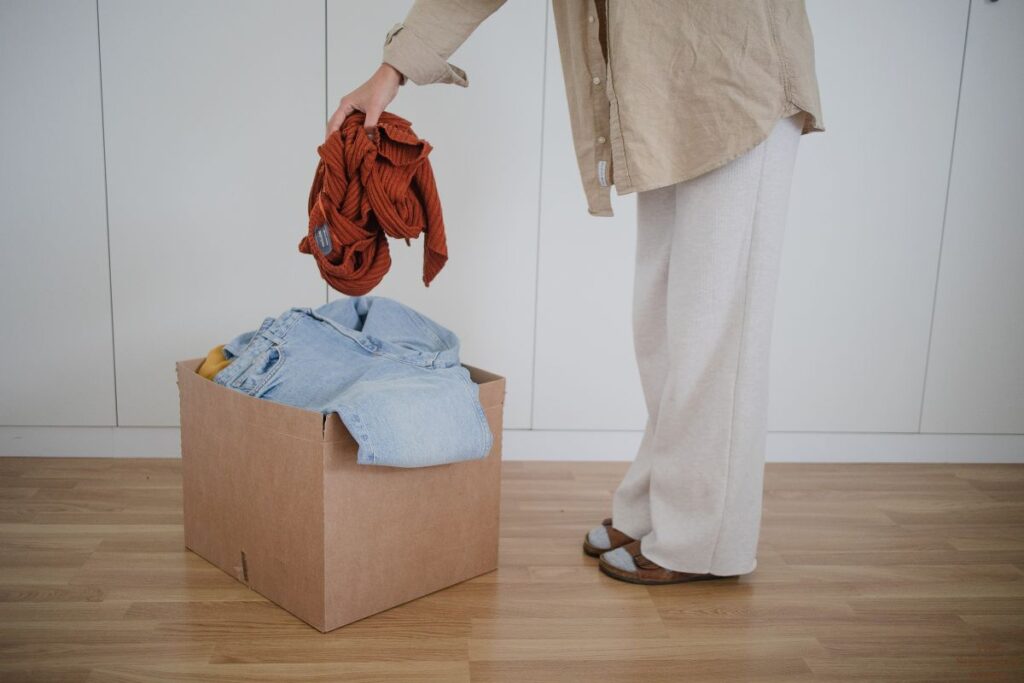
12 Things Minimalists Declutter Every Spring
Here are twelve things that minimalists declutter every spring for a fresh start to the new season.
1. Winter Clothing That Wasn’t Worn
When winter comes to an end, it becomes very clear which pieces in your closet you actually used.
Maybe you reached for the same sweater again and again while other ones stayed untouched. Maybe those boots that seemed practical in theory never left the shelf.
Spring is the perfect time to review your winter wardrobe with fresh eyes.
If you didn’t wear something all season, it’s worth asking why. Sometimes the item doesn’t fit well anymore, isn’t comfortable, or simply doesn’t match your style.
Minimalists often take this moment to let go of winter clothing that didn’t get worn, making next winter’s wardrobe simpler and more intentional.

2. Worn-Out Winter Accessories
Scarves, gloves, hats, and thick socks tend to accumulate over the years.
But by the time spring arrives, some of those items may be stretched out, mismatched, or simply worn beyond their usefulness.
Instead of storing everything away for another year, minimalists take a few minutes to sort through these items.
Keeping only what’s still in good condition ensures that when colder weather returns, everything is organized and is something that you’ll actually use.

3. Expired Pantry Items & Snack Foods
During the winter months, many of us stock up on pantry staples and comfort foods.
But over time, cans and boxes can get pushed to the back of shelves and forgotten.
Spring is a great time to check expiration dates and clear out anything that’s not good anymore.
Minimalists also use this opportunity to take note of what didn’t get used. If certain items have been sitting untouched for a lengthy period of time, that’s a good sign that they can go and aren’t something you’d want to repurchase.
Decluttering the pantry not only frees up space, but it also makes meal preparation easier.

4. Unused Kitchen Gadgets
Kitchens are one of the easiest places for clutter to collect.
Single-purpose gadgets, duplicate tools, and appliances that rarely get used can quickly crowd cabinets and drawers.
Spring is a good time to ask yourself a simple question:
“Do I actually use this?”
Minimalists keep the kitchen essentials, including the tools they reach for regularly, and let go of the rest.
A simpler kitchen makes cooking easier and helps keep clutter off the countertops.

5. Old Magazines, Papers, and Mail
Paper clutter has a way of building quietly over time.
Magazines you planned to read later, mail that needed sorting, and notes that seemed important in the moment can pile up quickly.
Minimalists often use seasonal changes as a reminder to go through paper stacks and recycle what’s no longer needed.
Important documents can be filed, while everything else can be cleared away.
Even a few minutes here and there spent sorting through papers can make a noticeable difference.
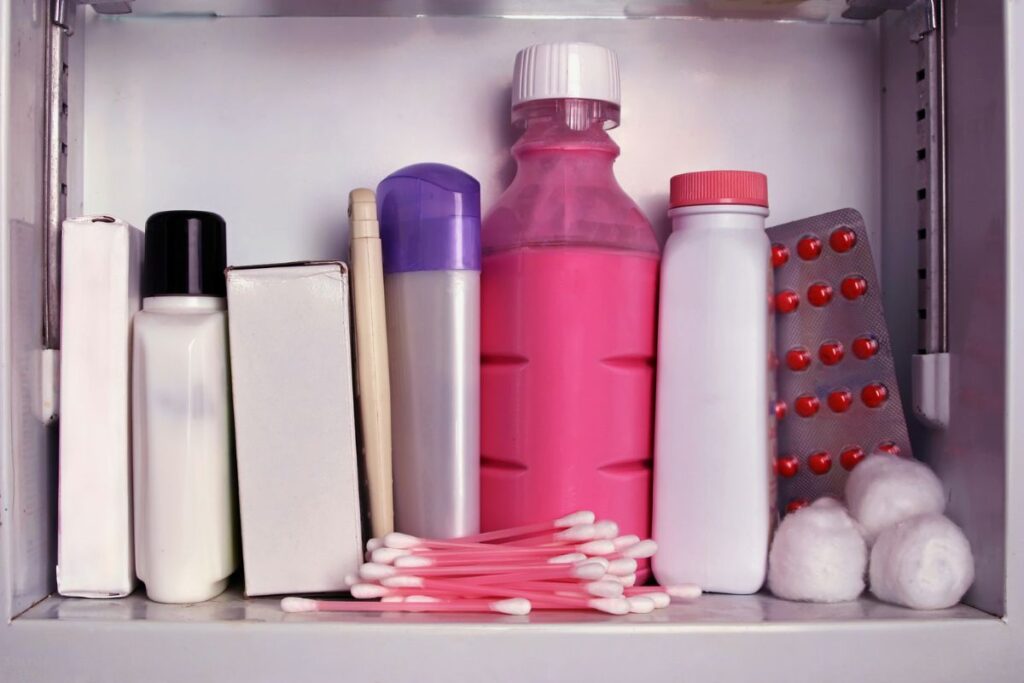
6. Bathroom Products That Aren’t Being Used
Bathrooms often hold more products than we realize.
Half-used lotions, expired makeup, and hair products that didn’t quite work can sit under the sink for months.
Spring is a great time to simplify these spaces.
Minimalists typically keep only the bathroom essentials, including the products they use regularly, and discard any expired or unwanted items.
A decluttered bathroom cabinet makes mornings easier and keeps routines simple.
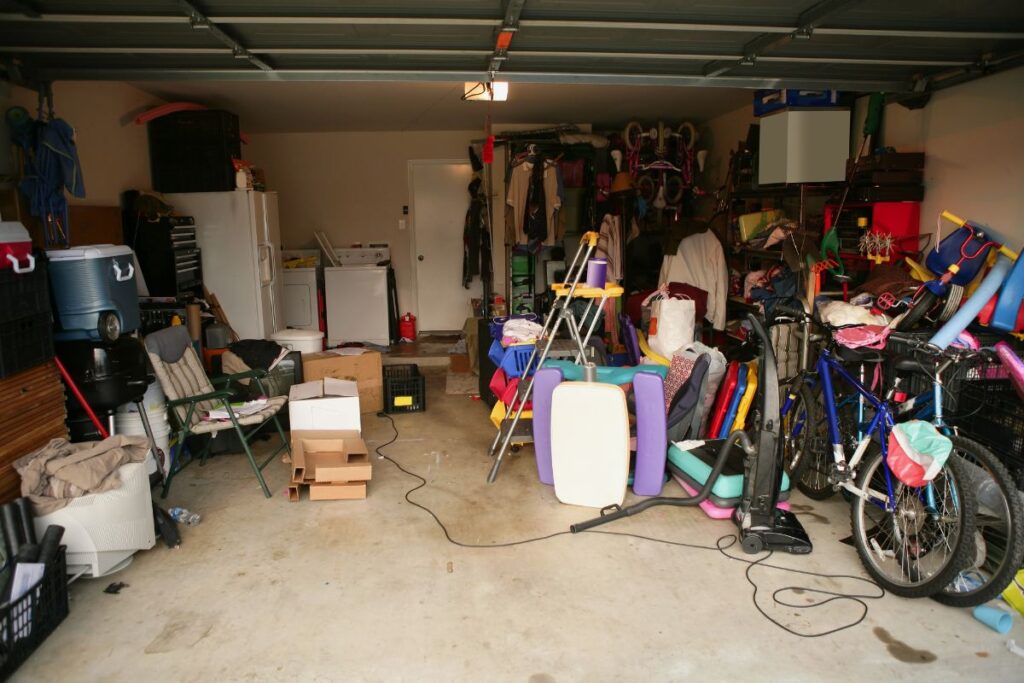
7. Broken or Unused Household Items
Every home has a few items that fall into the “I’ll deal with that later” category.
A lamp that stopped working. A basket with a broken handle. A random object that no longer has a purpose.
Spring cleaning often brings these forgotten items back into view.
Minimalists use this time to either repair, donate, or let go of these items instead of continuing to store them.
Removing broken or unused objects creates more space and less visual clutter.

8. Kids’ Outgrown Clothing and Toys
If you have children, you know how quickly they grow.
Clothes that fit perfectly just a few months ago may suddenly be too small, and toys that once held their attention may now sit untouched.
Spring is a great time to declutter kids’ items and pass along what is no longer needed.
Minimalists often involve their children in the process, helping them learn how to choose the toys and clothing they truly enjoy.
This habit not only reduces clutter but also teaches thoughtful ownership.

9. Entryway Clutter
During the winter months, entryways often become catch-all spaces. Boots, coats, bags, and miscellaneous items can easily pile up near the door.
When spring arrives, many of these winter items are no longer needed.
Minimalists take the opportunity to clear the entryway, store away winter gear, and create a simpler space for the warmer months.
A tidy entryway makes coming home feel calmer and more welcoming.

10. Hobby Supplies That No Longer Fit Your Life
Hobbies change over time. What once felt exciting may no longer hold your interest, and supplies can quietly accumulate as interests shift.
Spring is a good time to revisit hobby materials and ask yourself if they still fit your current lifestyle.
Minimalists keep the hobbies they genuinely enjoy and release the supplies for ones they’ve moved on from.
Letting go of unused hobby items can free up both physical space and mental energy.
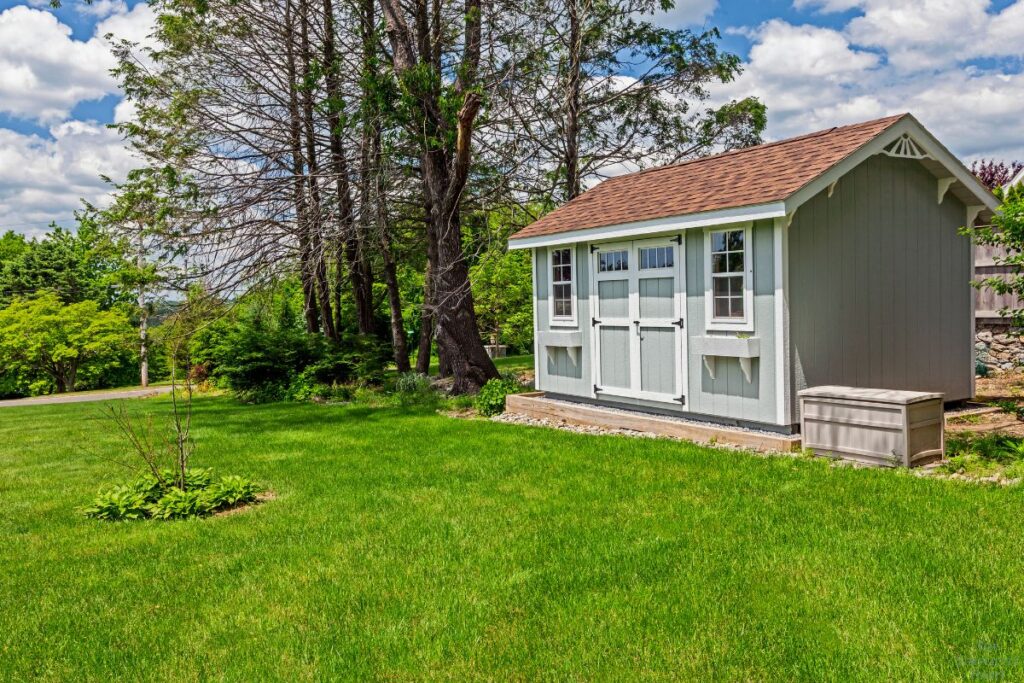
11. Outdoor Items That Didn’t Get Used
Before the warmer months begin, it can be helpful to look through outdoor storage areas. Gardening tools, sports equipment, and outdoor furniture sometimes sit unused year after year.
Minimalists often review these items before summer arrives.
If something hasn’t been used in several seasons, it may be time to pass it along to someone who will enjoy it.
This ensures that your outdoor spaces stay simple and functional.

12. Things Being Kept “Just in Case.”
One of the most common sources of clutter is the habit of holding onto things “just in case.” These can include extra containers, duplicate tools, and items saved for a scenario that will likely never happen.
Spring is a wonderful time to challenge that mindset.
Minimalists often remind themselves that space and peace of mind are valuable too. Keeping fewer someday items often makes daily life easier and more organized.
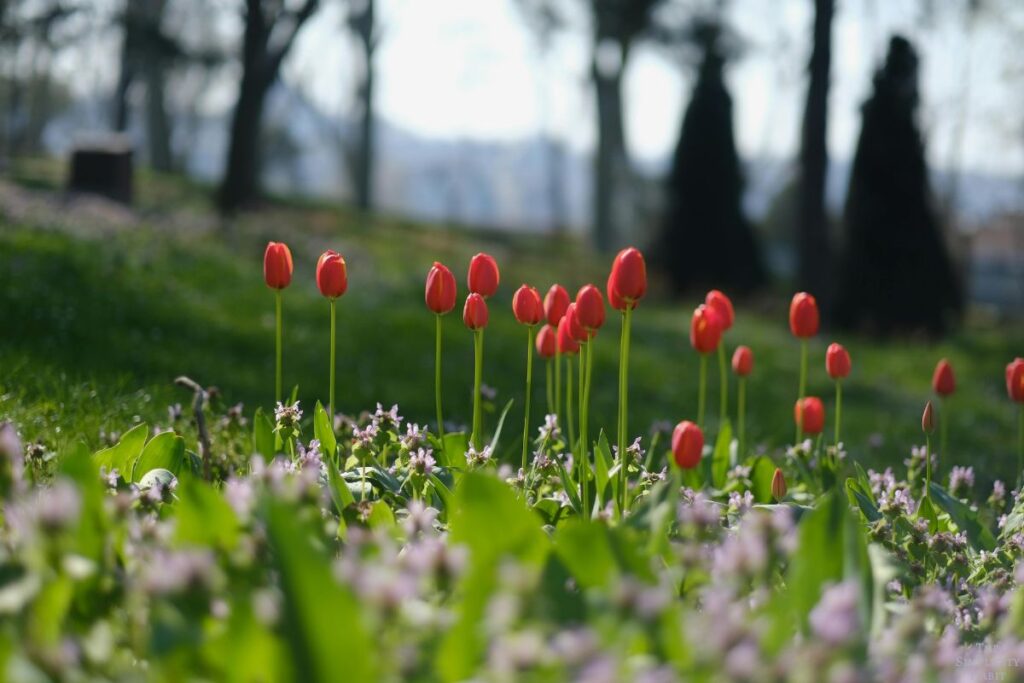
A Fresh Start for the Season
Spring decluttering doesn’t have to be overwhelming.
You don’t need an entire weekend or a perfectly planned system to begin. Sometimes the best approach is simply starting with one drawer, one shelf, or one small area at a time.
Minimalists understand that maintaining a simplified home is an ongoing process, not a one-time event.
Each season offers an opportunity to reassess what we own and decide what still serves us.
Spring, in particular, is a beautiful reminder that fresh starts are always possible.
As you open your windows and welcome the new season, consider taking a few moments to clear out what you no longer need.
You might be surprised by how much lighter your home and your mind can feel when you do.
Which of the things minimalists declutter every spring do you plan to tackle first? Let us know in the comments section below.
Sign up on the form below to get weekly decluttering tips and inspiration sent straight to your inbox. You’ll also get the free 5 Areas to Declutter in 10 Minutes Checklist to help you get started decluttering today.

Paper, paper, paper. Bathroom. Garage.
Almost ALL 12 decluttering tips need doing. But I will start with the paper clutter and the grandkids toys and clothes.
Thank you for a very relevant decluttering article
Process mail & stacks of paper and stuff on table next to my side of love seat in family room. Bonus benefit of reducing or eliminating potential paper-lanches. 🙂😆
I am having more fun using all of the tips, and sharing them with friends. Clothing, paper and craft items. Nursing/Elderly facilities are the best place to donate craft items.
Thank you Julianna for great articles.
Summer house that we can no longer use due to things being put in there!!!!Just for now!!! that’s the first to start with. I have done the pantry and drawers but need to sort winter clothes no longer in use. Then I will tackle the craft items, I did have one go and gave a lot of stuff to my craft group which was happily received BUT I still have lots more to sort through. thank you for keep inspiring us all.
I did a MAJOR cleanup last Sept bcs visitors were coming to stay. Windows, floors, counters, dusting, & filing were ALL done. I found the easiest way to control the plastic/paperwork is have 2 bags – 1 for recycles, & 1 for items w/personal info (to be shredded elsewhere).
I’m going to start with unused or damaged winter clothes and items. Then I’ll go room by room decluttering closets, shelves and drawers. I have been feeling weighted down and now, with a simple plan, I feel better already. Thanks for providing the inspiration.